

A specialty mover is a moving company that handles items or situations that need more care, more planning, or better equipment than a standard move. If you’ve ever looked at a baby grand piano, a marble-top dresser, or a downtown condo elevator schedule and thought, “This suddenly feels risky,” that’s exactly where specialty movers come in.
What Specialty Movers Are and Why They Matter
Specialty movers deal with moves that have a higher chance of damage, delay, or expensive mistakes. That could mean a fragile item, a very heavy item, a narrow staircase, a strict building rule, or a delivery schedule that leaves no room for error. The point is not fancy service for the sake of it. The point is lowering risk.
Here’s the thing: a lot of moves look simple until moving day. A glass display cabinet seems manageable until it has to turn through a tight hallway. A safe seems like “just one item” until somebody realizes it weighs 800 pounds. A condo move sounds local and easy until your loading dock reservation is only from 1:00 to 3:00 p.m. and the elevator can’t be shared.
That’s why specialty moving matters. Paying for extra planning and protection can feel annoying up front, but it’s often much cheaper than replacing a damaged heirloom, missing a building window, or paying for a second trip.
When a Standard Move Stops Being a Standard Move
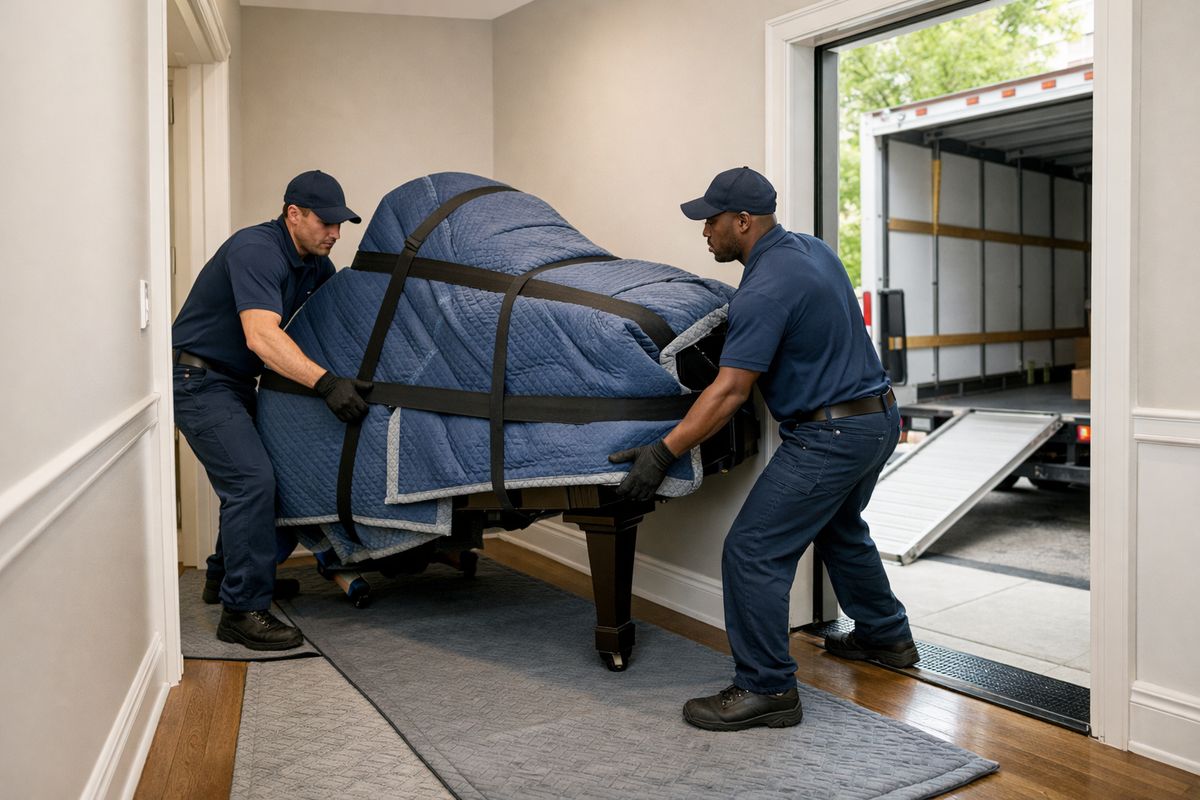
A move stops being standard the moment ordinary muscle and a box truck are not enough. Size can be part of it, sure, but size is not the whole story. Fragility, value, awkward shape, difficult access, delivery timing, and paperwork can all turn a basic move into a specialty one.
Some moves are too easy to underestimate, and that’s exactly when damage happens.
A narrow antique secretary desk may be more complicated than a sectional sofa. An oversized mirror may be harder to move safely than a stack of packed boxes. A short move across Sarasota may need more planning than a longer move if the building rules are stricter.
Common Situations That Call for Specialty Movers
The usual specialty jobs are easy to spot once you know what to look for. Pianos are the classic example, but they’re far from the only one. Antiques, fine art, gun safes, hot tubs, large fitness equipment, medical devices, wine collections, and commercial equipment often need special handling. Senior relocations can also fall into this category because the move may require gentler pacing, tighter coordination, or extra setup help. Office moves, especially ones involving servers, electronics, or downtime concerns, can also need specialty planning.
Long-distance moves belong on this list too when delicate or high-value items are involved. Transporting something fragile for 15 miles is one thing. Sending it hundreds of miles, with transfers, storage, or stricter documentation, is a different job entirely.
Local, Long-Distance, and Specialty Can Overlap
“Specialty” is not a separate bucket from local or long-distance moving. It’s more like an added layer. A move across town can still be specialty if your building access is tricky or your items need custom crating. A cross-country move can become even more specialized if it includes artwork, medical equipment, or items that need climate-conscious packing.
That overlap matters because it changes how you compare companies. If your move is local but complicated, your best option may still be a team that offers careful local moving support with specialty handling, not just the cheapest hourly crew.
For local relocations in Sarasota, Lakewood Ranch, or nearby condos and waterfront properties, specialty needs can show up fast. Even a short-distance move can benefit from planning like the kind outlined in local move services, especially when access, timing, or fragile items raise the stakes.
What Makes Specialty Movers Different From Regular Movers
The difference comes down to process. Not vague promises. Real process.
Specialty movers usually bring better planning, better materials, more training, and equipment designed for awkward or high-risk items. That can include custom crating, lift gates, ramps, specialty dollies, heavy-duty straps, padding, floor protection, and sometimes hoisting or crane coordination. A standard mover may still be excellent for everyday furniture and boxes, but specialty work asks for another level of preparation.
Specialized Equipment and Protective Materials
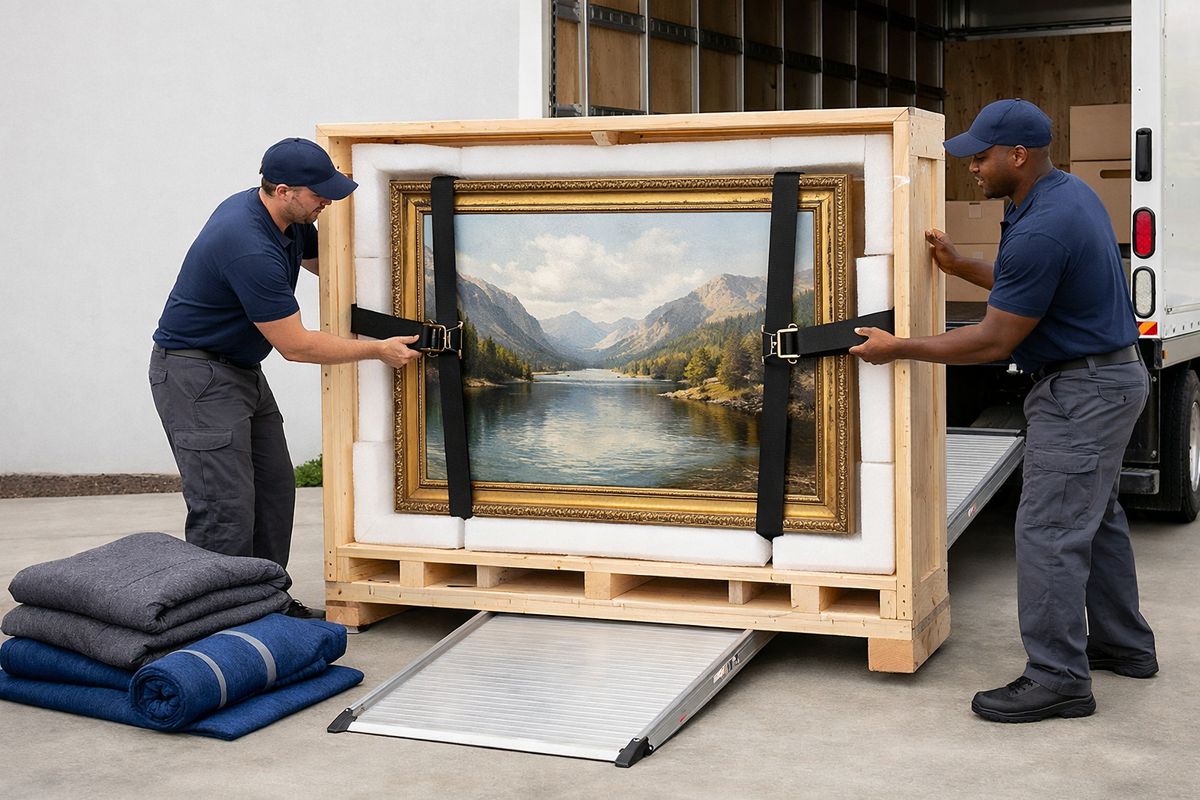
Some items simply cannot be moved safely with basic supplies. Heavy safes need the right dollies and load-balancing equipment. Fine art may need corner protection, custom padding, and stable positioning. Large fragile pieces may need a custom crate, meaning a box built specifically for that item rather than a carton pulled off a shelf.
That kind of prep is becoming more common as movers invest in custom crating solutions and climate-conscious handling for high-value shipments. It sounds high-end, but often it’s just practical. If an item cannot shift, flex, or absorb impact well, the packaging has to do more work.
Training, Handling, and Move-Day Planning
Experience matters most when an item is both awkward and expensive. Specialty crews tend to do more before the truck ever arrives. That can include a walkthrough, inventory, route planning, stair and doorway checks, and coordination with your building. If permits, elevator reservations, or loading instructions are involved, those details get handled earlier instead of becoming a last-minute scramble.
Technology helps here too. Virtual surveys and digital inventories can make quotes faster and more accurate, and some moving tools can improve scheduling accuracy by up to 15 percent. That matters because surprises are expensive on moving day. If you want a clearer sense of how estimates should be built, it helps to understand how smart quote comparisons work.
Insurance, Valuation, and Liability
This part gets confusing fast, so keep it simple. Basic mover liability is usually limited. It is not the same thing as full protection for an item that is rare, custom, or very expensive. Specialty moves often need stronger documentation, clearer declared values, and better coverage options because the financial downside is much bigger.
If a lamp gets scratched, that’s frustrating. If a family heirloom armoire is crushed, that’s a very different claim.
For interstate or high-value jobs, clear paperwork matters just as much as careful handling. If you have any doubt about credentials or coverage, review what to verify before booking a mover.
Signs You Should Book Specialty Movers
This is the practical test: if something about your move feels expensive to get wrong, take that feeling seriously. You’re probably not overthinking it.
Your Item Is Heavy, Fragile, Valuable, or Hard to Replace
Some items raise the flag immediately. Antiques, family heirlooms, original artwork, marble furniture, oversized mirrors, collectible instruments, and one-of-a-kind pieces all belong here. The same goes for anything extremely heavy or awkward, such as a safe, commercial refrigerator, or home gym machine.
A good rule is simple: if repair would be expensive, replacement would be impossible, or damage would break your heart, specialty handling makes sense.
The Property Itself Makes the Move Harder
Sometimes the item is not the main problem. The property is.
Stairs, narrow hallways, sharp turns, historic homes, low-clearance driveways, and condo rules can all complicate a move. In downtown Sarasota, for example, a condo move with a reserved elevator window and limited loading access can turn a normal two-bedroom move into a tightly timed project. If the truck cannot park close, long-carry or shuttle fees may also come into play.
Timing, Distance, or Regulations Raise the Stakes
Long-distance scheduling, interstate rules, office downtime, senior transitions, and medical equipment needs all raise the cost of mistakes. Specialty work often includes chain-of-custody concerns too, meaning you want clear records of where an item is, who handled it, and what condition it was in at pickup and delivery.
Peak season makes this even tougher. 41% of annual moves happen between May and August, so complex jobs can get squeezed if you wait too long to book.
Services You Can Expect From Specialty Movers
Specialty movers usually offer more than transport. In moving language, these extras are often called accessorial services, which is just a plain way of saying add-on jobs beyond loading and driving.
Packing, Custom Crating, and Unpacking
Standard packing works for plenty of household goods. But fragile art, antiques, electronics, medical devices, and delicate collections may need double-boxing, extra cushioning, or a custom crate. If your item cannot survive a jolt, vibration, or pressure from stacked freight, better packing is worth paying for.
Unpacking and debris removal can also make move-in day much easier. If boxes, paper, and crate materials disappear the same day, your new place feels livable faster. For a fuller look at where this pays off, read about when professional packing help makes sense.
Disassembly, Reassembly, Installation, and Placement
A specialty move often includes more than getting an item through the front door. Large furniture may need to be taken apart and rebuilt. Fitness equipment may need reassembly in the correct room. A safe may need careful placement on a specific surface. Office furniture and equipment may need setup so the space is usable right away.
That’s the real distinction. Specialty service often means safe placement and setup, not curb drop-off.
Storage, White-Glove Delivery, and Coordination
Short-term storage, long-term storage, and climate-sensitive storage are common parts of specialty moving. White-glove delivery usually means in-home delivery with careful placement, light setup, and extra protection for floors and walls.
Coordination matters too. Sometimes your schedule has to match a building manager, interior designer, contractor, vendor, or family member. A specialty mover is often managing those moving parts, not just the truck.
How Specialty Moving Costs Work
Specialty moving usually costs more because it requires more labor, more time, more materials, and more planning. That’s the honest version.
But higher cost does not mean bad value. If the right service prevents damage, delays, claim disputes, or a failed delivery attempt, it can save money overall.
What Affects the Price
The biggest cost drivers are the item itself, its weight, its fragility, your access conditions, distance, packing level, crating, storage, valuation coverage, and timing. If your building needs a shuttle truck, if the item has to travel upstairs, or if movers have to carry it a long distance from truck to door, the quote will rise.
Pricing pressure also increases during busy season. June is the busiest month for moving, and average planning time is only 29 days, though larger moves get booked much earlier.
Why Quotes Can Vary So Much
One quote may include crating, stair carries, long carries, setup, and better coverage. Another may leave all of that out and look cheaper on paper. That’s why specialty estimates can vary wildly.
You’re not just comparing trucks and labor. You’re comparing scope.
If you want to decode those differences, it helps to review what actually changes the final quote.
How to Get a More Accurate Estimate
The fastest way to get a better estimate is to send photos, measurements, an item list, access notes, and any timing limits up front. Mention stairs, elevators, long walks, tight turns, and building rules. Video walkthroughs can help a lot too, especially for high-value or unusually shaped items.
A vague quote usually starts with vague information. Clear input leads to fewer surprises.
How to Choose a Specialty Moving Company You Can Trust
A trustworthy specialty mover should sound specific, not slick. If a company has real experience, the answers will be clear.
Questions to Ask Before You Book
Ask whether your type of item has been moved before, what equipment will be used, whether crating is recommended, what protection is included, and whether there are extra charges for stairs, long carries, waiting time, or elevator delays. Ask who handles claims and what documentation is created before pickup.
Specific questions tend to get specific answers. That’s what you want.
Red Flags to Notice Early
Be careful with vague estimates, no written scope, poor communication, no proof of interstate licensing when needed, and weak answers about valuation coverage. Another red flag is a company that talks about your piano, antique, or safe like it’s just another dresser.
That kind of confidence is not reassuring. It’s usually a warning.
Reviews, Credentials, and Proof of Experience
Look for reviews that mention specialty items, difficult access, or complicated timing, not just “nice crew” or “showed up on time.” Photos, case examples, and clear documentation matter. So does proper interstate registration when applicable, especially because compliance rules have gotten tighter around federal identification and fraud prevention.
Common Questions About Specialty Movers
Are specialty movers worth it for just one item?
Yes. Sometimes one item is the entire reason to hire specialty help. A piano, safe, antique cabinet, or large artwork can justify the added cost all by itself if damage or injury is a real possibility.
Can specialty movers handle long-distance moves?
Many can, but long-distance work needs the right licensing, documentation, and planning. That matters even more when fragile or high-value items are involved.
Do specialty movers pack everything or only certain items?
Either option is common. Some jobs involve just one custom-crated item. Others include full packing, loading, transport, unpacking, and setup.
How far ahead should you book?
For a standard move, a few weeks may work. For a specialty move, earlier is better, especially from May through August when schedules tighten and complex jobs need more crew coordination.
The Smartest Next Step Before Moving Day
If any part of your move feels tricky, expensive to get wrong, or hard to picture going smoothly, that’s your sign to get a specialty estimate early. This week, make a short list of the items and access issues that feel risky, snap a few photos, and use that list when asking for quotes. That small step can save you from the kind of moving-day surprise nobody wants.