

A move can feel pretty simple until you remember the piano, the gun safe, or that oversized sectional that barely made it through the front door the first time. Choosing movers for heavy items is really about avoiding damage, surprise charges, and moving-day chaos, and that matters just as much for a Sarasota condo move as it does for a trip across Florida or out of state.
Start With What “Heavy Items” Really Means for Your Move
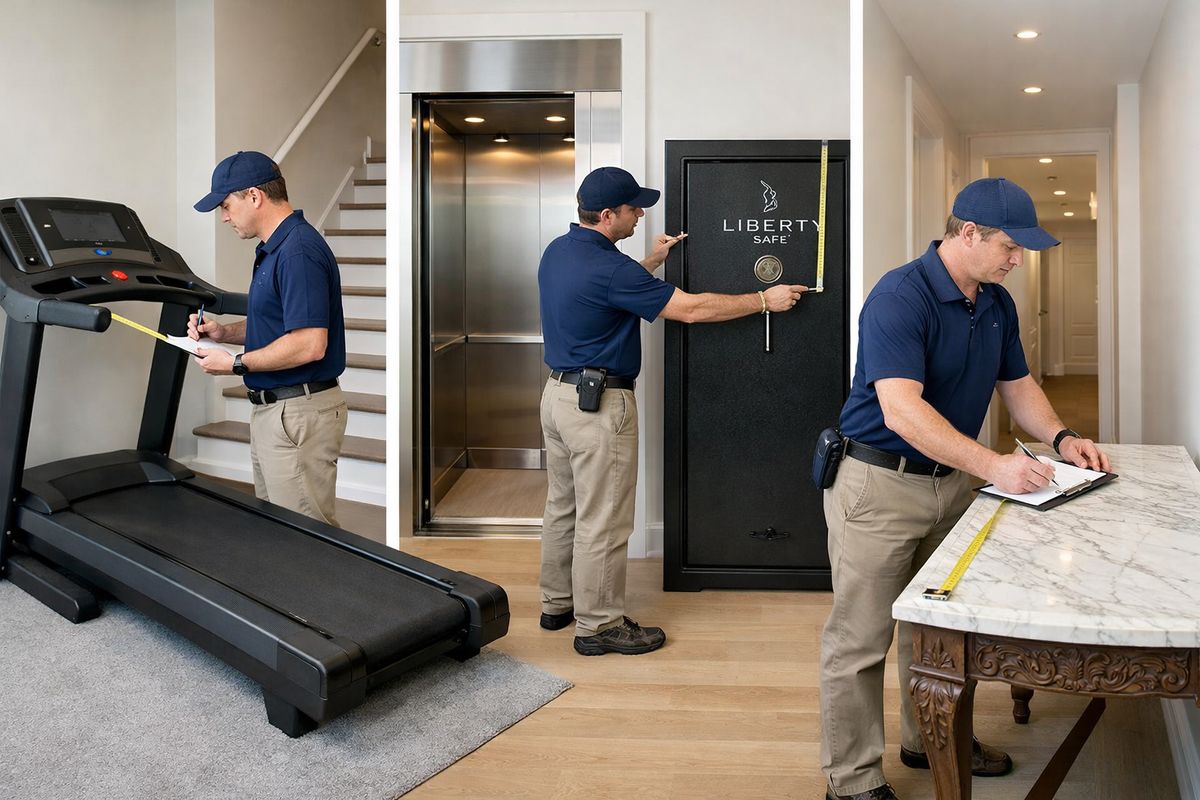
“Heavy items” usually means more than just weight. It includes anything bulky, awkward, delicate, expensive, or tough to maneuver through stairs, hallways, elevators, or narrow doorways. A marble-top table might not be the heaviest thing you own, but it can still be one of the riskiest items to move.
That is why the cheapest quote is rarely the best quote here. The right company needs the right crew, the right equipment, and a clear plan before moving day starts.
Common heavy items movers handle
The usual list includes refrigerators, washers, dryers, gun safes, pianos, hot tubs, antique furniture, pool tables, large treadmills, home gyms, and office equipment. In plain English, a specialty move is any move involving something that is hard to lift, easy to damage, unusually valuable, or difficult to fit through a normal home.
Some movers handle these jobs every week. Others mostly do standard boxes-and-furniture moves and treat specialty items like an afterthought. That difference shows up fast when an item needs partial disassembly, custom padding, or extra protection for floors and walls.
Why heavy-item moves go wrong
Most heavy-item problems are predictable. A crew underestimates the job, shows up without the right dolly or straps, or learns too late that there are two flights of stairs and a tight landing. Then the extra charges start, or worse, the item gets scraped, dropped, or forced through a space it should never have gone through.
A cheap quote can get expensive fast if the mover is guessing. That is the whole game with heavy items: fewer guesses, fewer problems.
Know What to Look For Before You Request Quotes
Before asking for prices, get clear on what actually matters. You are not buying a truck for a few hours. You are hiring a team to manage risk.
Licensing, insurance, and local vs. interstate rules
For a local move, the rules are different than for an interstate move that crosses state lines. Interstate movers should provide written estimates and follow federal rules, including valuation disclosures and other documentation. The written estimate requirement is one of the easiest trust signals to verify.
Credentials should be the first filter, not the last. If you want a deeper walkthrough, check what to verify before signing anything.
Real experience with specialty and oversized items
General moving experience is not the same as specialty moving experience. A crew that handles couches and bedroom sets all day may not be the right fit for a baby grand piano or a 700-pound safe.
Ask how often the company moves your exact item, what equipment gets used, and whether the work is handled in-house or passed to a specialty subcontractor. If the answers feel vague, that is your answer. A capable mover can explain the process in plain English without dancing around the details.
The right equipment and enough crew members
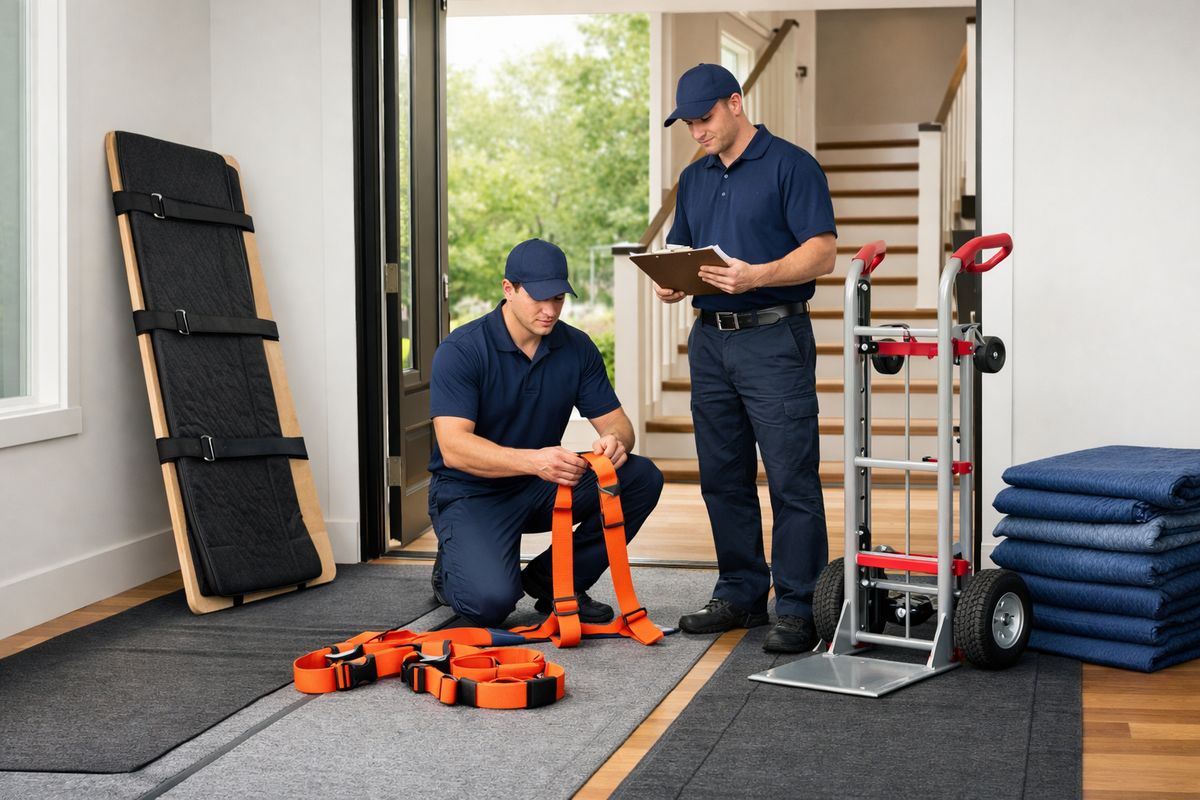
Heavy-item movers should have appliance dollies, lifting straps, ramps, tie-downs, floor runners, thick padding, and item-specific tools like piano boards. Some jobs also need hoisting, stair planning, or crane coordination.
Crew size matters just as much. Too few movers slows everything down and raises the chance of damage or injury. For large or awkward items, using the right equipment is not optional. Even basic lifting guidance recommends carts or hand trucks for heavy loads and planning the route before anything gets lifted (Stanford).
Compare Estimates the Smart Way
This is where a lot of stress starts, because moving quotes can look simple while hiding a lot of cost. A clear estimate should tell you what is included, what is not, and what could change.
In-home or virtual surveys are worth it
A visual survey is one of the best ways to avoid billing surprises. It gives the mover a real look at item size, stairs, elevators, driveways, and awkward access points. If your building has a loading window or your house has a sharp turn near the entry, that needs to be seen upfront.
Virtual surveys have gotten much better, and some AI-driven surveys are highly accurate when done carefully. The trick is simple: walk through every heavy item during the survey and show the access path too. Do not assume the crew will “figure it out” later.
Binding, nonbinding, and not-to-exceed estimates
A binding estimate means the price is locked for the services listed, assuming the inventory and conditions stay accurate. A nonbinding estimate is only an approximation, so the final bill can rise if the mover underestimated weight, volume, or difficulty. A not-to-exceed estimate sets a ceiling, so you pay less if the move comes in under but not more if it goes over.
For pricing clarity, binding or not-to-exceed is usually the better fit. If you want help spotting differences line by line, this guide on comparing quotes without missing the fine print is worth a look.
Ask about every possible extra fee
Heavy-item moves often come with add-ons, and none of them should be a surprise. Ask about stairs, long carries, elevator reservations, shuttle service, hoisting, disassembly, reassembly, fuel, tolls, storage, and expedited delivery. Common accessorial fees are normal in the industry, but hidden fees are not.
Get every possible add-on in writing. Otherwise the final bill can feel like a restaurant check with mystery charges squeezed in at the bottom.
Protect Your Stuff Like It’s Already at Risk
Heavy items are expensive to repair and easy to under-protect. This is the part many people rush through, then regret later.
Released value vs. full value protection
Released value protection is the basic option, and the catch is brutal: it usually pays only 60 cents per pound per item. So if a 50-pound TV gets damaged, reimbursement could be just $30. That 60 cents per pound figure sounds harmless until you do the math.
Full value protection costs more, often around $8.50 per $1,000 of declared value, but it offers far better protection for expensive belongings. For heavy items with real replacement cost, this is often where spending more makes sense.
Document condition before moving day
Take photos from multiple angles. Save model numbers. Note any existing dents, scratches, or worn corners. If you still have receipts, keep those too.
This takes maybe fifteen minutes for the items that matter most, and it makes any claim much easier later. It is especially smart for appliances, antiques, gym equipment, and anything with a glossy or delicate finish.
Ask who handles claims and damage reports
Before booking, ask who handles claims, how quickly damage must be reported, and whether the process goes through the mover directly or a third party. A trustworthy company should answer that plainly, not make it sound like a back-office secret.
Choose the Best Mover for Your Situation, Not Just the Lowest Price
The best mover depends on the move itself. A local apartment transfer, an interstate relocation, and a one-item piano move are three different jobs.
Best fit for local Sarasota moves
For local moves, hourly pricing, neighborhood familiarity, parking logistics, and building rules matter a lot. A mover that knows Sarasota can plan around condo elevator reservations, downtown move windows, and tricky access points like a narrow driveway near Siesta Key.
If your move is staying nearby, it helps to start with a company that already understands how local moves in the area usually work and what tends to affect timing and cost.
Best fit for long-distance heavy-item moves
For longer moves, inventory accuracy, delivery windows, valuation coverage, and truck handling matter more. Ask whether your items stay on one truck or get transferred between trucks or warehouses. Every handoff adds another chance for damage, especially with bulky or delicate pieces.
Most moves stay within the same state, but once a job gets longer, documentation becomes more important, not less. This is also where what drives the final quote becomes much easier to understand.
Best fit for one-item or specialty moves
A single item can still deserve premium handling. If you are moving one piano, one safe, or one antique cabinet, a dedicated specialty mover may be the better fit than a general mover trying to squeeze the job into a standard route.
That is especially true when the item needs crating, precision disassembly, or special handling through stairs and tight turns. In those cases, paying for experience is usually cheaper than paying for repairs.
Avoid the Mistakes That Create Stress on Moving Day
Most moving stress comes from a few avoidable mistakes. Heavy-item moves just make those mistakes more expensive.
Booking based on price alone
If one quote is dramatically cheaper than the others, something is missing. That could be labor, equipment, coverage, or a list of fees that shows up later.
Prices for the same job should not be wildly different when the inventory and conditions are the same. A bargain quote that ignores reality is not a bargain.
Leaving out details about access and item weight
Tell the mover about stairs, elevators, long carries, tight corners, fragile finishes, and exact dimensions upfront. Mention if a treadmill is in an upstairs bonus room or if a safe needs to come out through a side gate.
The trick is simple: surprises cost money when the crew discovers them at the curb.
Waiting too long during busy season
Summer gets crowded, especially June. Specialty crews and ideal dates fill up faster than standard moves because planning is more involved.
Heavy-item moves benefit from earlier booking. Good companies need time to plan labor, equipment, route details, and building coordination.
Use a Simple Checklist to Book Without the Stress
At this point, the process should feel a lot less foggy. You do not need to know every moving term. You just need a short plan and the discipline to get the details in writing.
Your heavy-item mover checklist
Verify credentials. Request a visual survey. Compare written estimates. Review every possible fee. Confirm equipment and crew size. Choose your valuation coverage. Get specialty handling details in writing, especially for high-value or awkward items.
If you want a broader planning tool, this booking question list helps keep everything organized.
Try this this week: get two detailed quotes
Pick two movers and ask the same five questions about heavy-item experience, equipment, valuation coverage, extra fees, and access challenges. You will notice very quickly which company is prepared and which one is winging it.
Frequently Asked Questions
How much do movers for heavy items usually cost?
Cost depends on the item, distance, access, crew size, and equipment needed. A local heavy-item move may be priced hourly, while longer moves often depend on weight, volume, and added services. Specialty items like safes, pianos, and hot tubs usually cost more because the labor and risk are higher.
Do movers charge extra for stairs or elevators?
Yes, often. Stairs, elevator reservations, long carries, shuttle service, and hoisting are common extra charges. Ask for those fees in writing before booking.
Is a virtual estimate accurate enough for heavy items?
It can be, if the walkthrough is detailed and you show the item, dimensions, and access route clearly. For very large, fragile, or unusual items, an in-home survey is still the safest choice.
What protection should you choose for expensive heavy items?
Released value protection is usually too limited for costly items because it pays by weight, not replacement cost. Full value protection is often the better choice for appliances, antiques, large TVs, gym equipment, and anything expensive to replace.
Should you use a specialty mover for just one item?
Yes, sometimes. One piano or one gun safe can justify a specialty mover if the item is valuable, awkward, or difficult to access. A small move does not always mean a simple move.
When should you book movers for heavy items?
Book as early as possible, especially for summer moves or anything requiring specialty equipment and scheduling. A few extra weeks can make a big difference in availability and planning quality.